
Uncategorized

  • Sunflower History Covering The Topics Of Origins, Domestication, And Exportation

    Domestication of the sunflower shows origins in pre-Columbian Mexico and the Eastern United States. The San Andres archaeological discovery and other archaeological expeditions in both Mexico and North America have uncovered remains of wild and domesticated sunflowers. Evidence suggests the first origins date to around 3000 B.C. in modern-day Arizona and New Mexico, making it one of North America’s…
  • What Can Almonds Help With | The Health Benefits Of Almonds

    When researching what can almonds help with, it helps to start with a history. The Old Testament’s most significant reference to the almond is Aaron’s Rod. After the famous exodus from Egypt, the rods of the princess of Israel were placed in the Tabernacle. Of the dozen staff, only one sprouted: the almond. This staff…

  • The Clear Skin Diet | A Benefit From A Low-Fat Plant-Based Diet

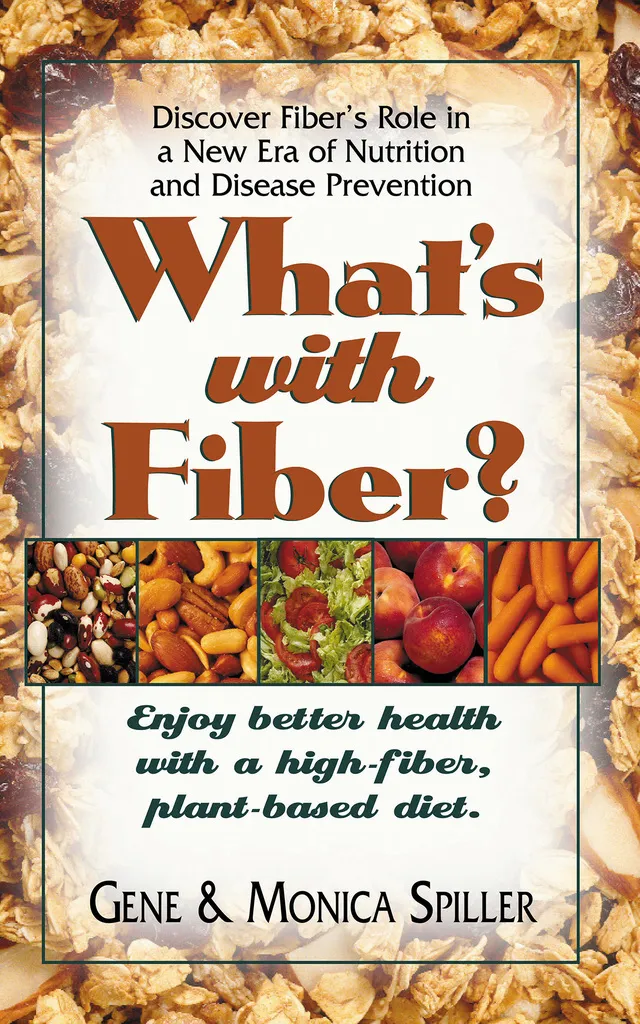
    Despite the power and money the animal food industries wield, a plant-only diet is steadily gaining traction. More and more people are discovering its numerous health benefits. One of the nation’s largest health insurance plans, the Kaiser Permanente Medical Group, produced a very useful document called “Nutritional Update for Physicians: Plant-Based Diets.”’ It appeared in…

  • Diagnosing and Assessing Processed Food Addiction

    Proper diagnosis and assessment from a professional practitioner are the keys to addiction recovery. A health professional can only develop a recovery treatment plan with an adequate diagnosis and assessment. A client cannot track the value of taking action without an assessment. Starting with an accurate assessment is the key to getting the appropriate help…

  • Prostate Cancer: How Helpful are Natural Agents for Prevention?

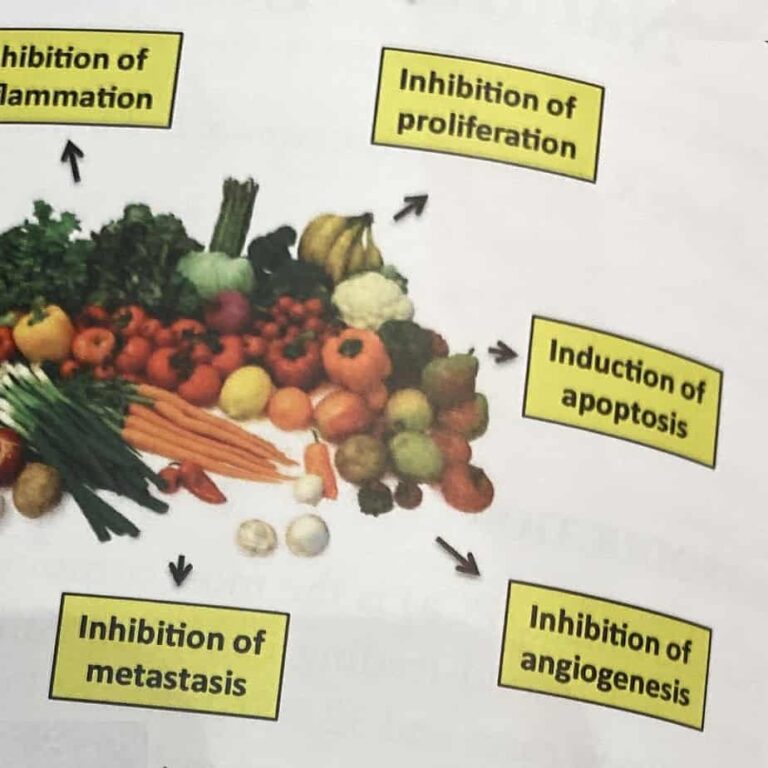
    Prostate cancer (PCa) is the most common non-skin cancer in men in the world and the second-leading cancer in American men, with approximately 220,000 new cases and 32,000 deaths of prostate cancer in 2012. Out of the three well-known and indisputable risk factors, i.e., increasing age, ethnic origin, and hereditary/familial factors, age is the most…

  • Food As Cultural Identity

    Food is a form of communication about an individual’s identity and about this identity in the context of others. Ultimately, however, such communications occur within the broader social context. Food history can be give you information regarding how a person perceives their own food as cultural identity. Research has explored the notion of food as…

  • Nutrition For Running

    Choosing your food as fuel is just as important as how you train when it comes to reaching your athletic goals. Getting the right nutrients can help improve your performance, prevent injuries, and allow you to get the most from your training. However, fueling for performance doesn’t mean that you have to eat only “clean”…

  • The Essential History Of Quinoa

    South America is the cultural home of quinoa and contributes over 80% of the world’s supply. You will find it on most grocery store shelves, health food stores, and bulk seed warehouses. You can also head online to purchase quinoa in bulk from health food suppliers and save yourself a bit of money in the…

  • Health Benefits Of Walnuts

    Nutritional Content Of English Walnuts (1 Ounce) (1 ounce/28.4 g) Calories: 175 (733 kJ Protein: 6.8 g Total fat: 16.7 g Saturated fat: 1 g Carbohydrates: 2.8 g Fiber: 1.9 g   Walnuts are exceptionally nutritious nuts. They have higher antioxidant activity and significantly more healthy omega-3 fats than any other common nut. This rich…

  • Nuts and Your Health

    Today, we can confidently say that nuts are good for you. However, as recently as twenty years ago, we probably couldn’t have. In the 1980s, the consumption of nuts in the United States started to slide downward. There had been so much fear regarding the relationship between fat and heart disease. People have started turning…

  • The Complete History Of Pesto

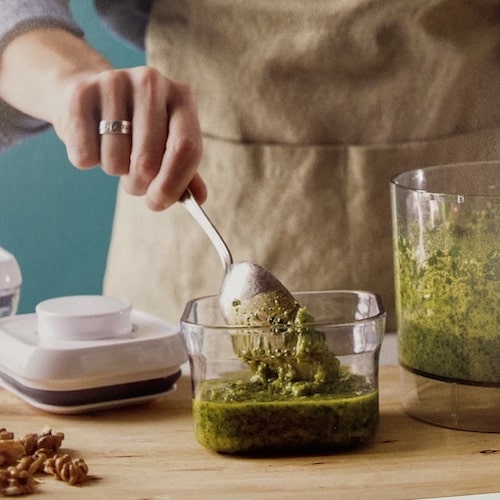
    Pesto, pastes, and purées are ancient recipes made around the world from greens and herbs, garlic and spices, nuts, oils, and other ingredients, depending on a country’s agriculture and cuisine. Today, chefs and cooks are creating pestos from spinach, kale, arugula, peppers, tomato, and whatever else they are growing in their kitchen gardens. In containers…