
Historical

  • The History Of The Food As Medicine Movement

    The Greek physician Hippocrates famously stated that food should be our medicine more than two thousand years ago. He believed that what we eat directly optimizes our health and well-being. Ancient medical texts from Egypt, India, and China highlight how specific foods prevent or treat various illnesses. Today, these ancient beliefs are returning to the…

  • The History Of Apricots

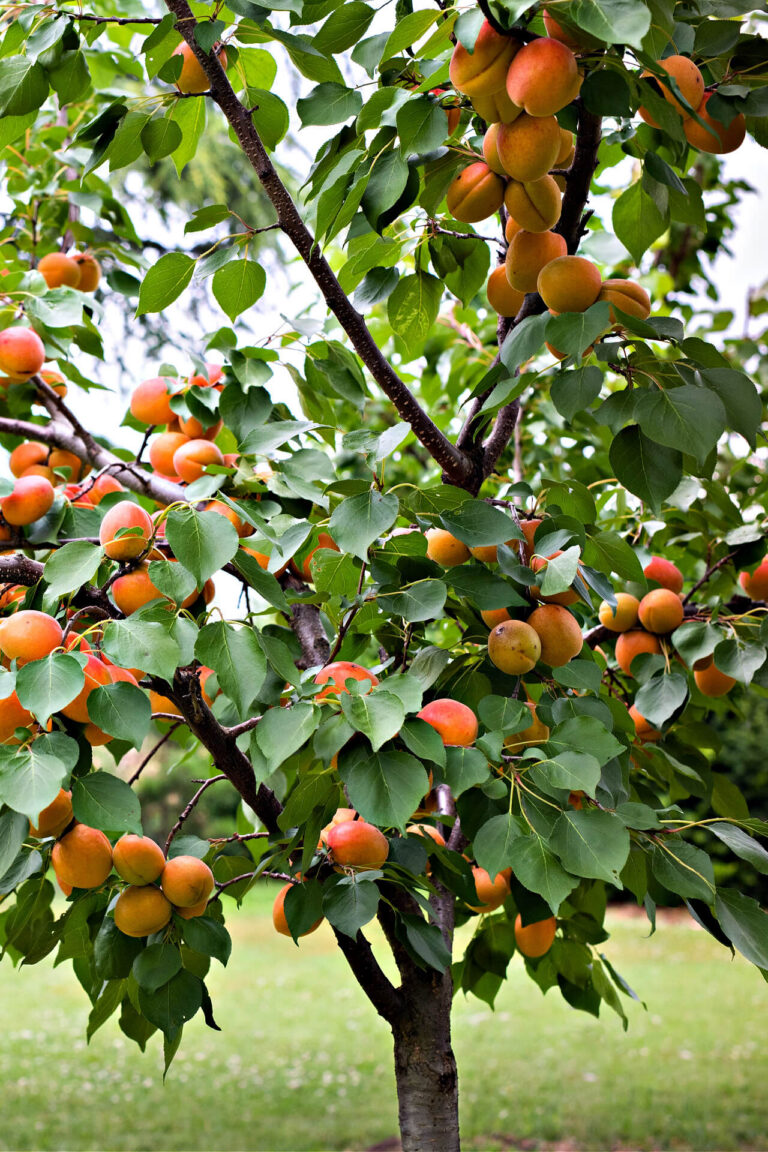
    The apricot is a delicious fruit, but one with surprises in store. The fruit is as temperamental as its tree, and still answers to a false name. It was long thought that apricots were a kind of plum and came from Armenia. Botanists still follow Linnaeus in calling it Prunus Armeniaca. It is a member…

  • Sriracha and Cultural Appropriation

    A bottle of Sriracha from off the grocery store shelf is a product that represents something much larger. Adorned with its distinctive rooster logo and vibrant red sauce. There is a complex intersection of cultural hybridization and appropriation. The Origins of Sriracha: A Tale of Immigrant Innovation Sriracha’s story begins in the 1980s with David…

  • American History Of Apple Pie, Culinary Progress, And Plymouth Rock

    Take anything away, but leave the pie. Americans can stand the prohibition of intoxicating drinks. But, I believe the prohibition of pie would precipitate a revolution. –David MacRae We must have a pie. Stress cannot exist in the presence of a pie. –David Mamet Apple Pie And The American Revolution Nineteenth-century physician F. W. Searle…

  • |

     Douce Ame (Capon In Milk & Honey)

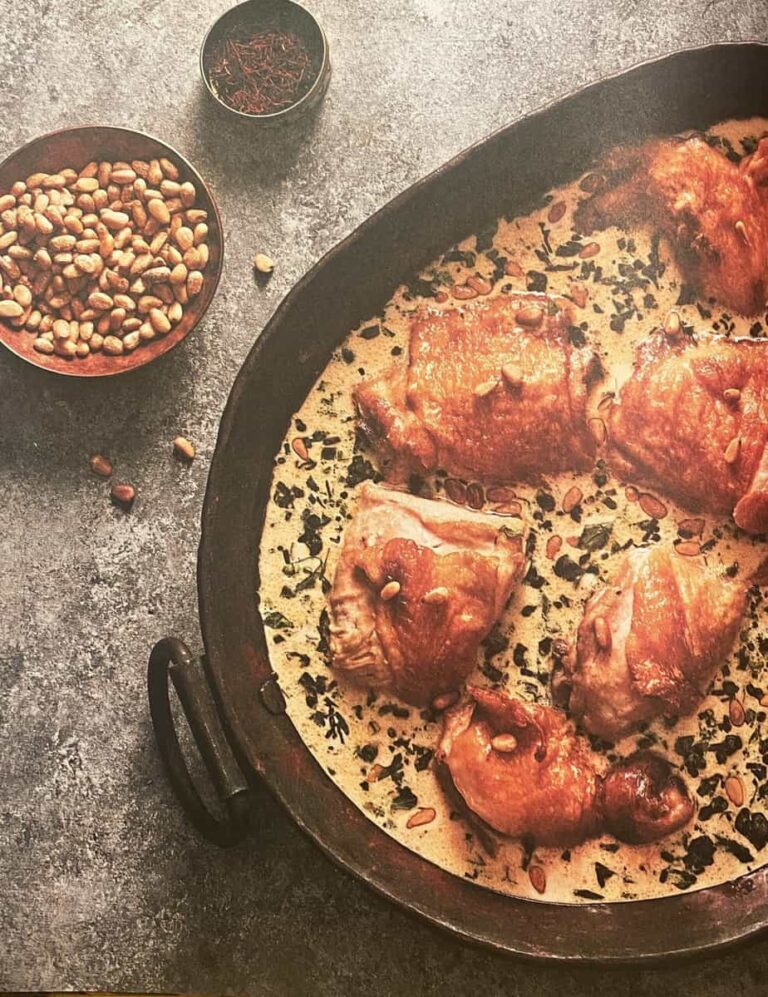
    Douce Ame Recipe. Take good cow’s milk and warm it in a pot. Take parsley, sage, hyssop, savory, and other good herbs. Chop them add them to the milk and cook them. Take capons, half roasted, cut them into pieces, and add pine nuts and clarified honey. Salt it color it with saffron and serve…

  • Tart De Bry

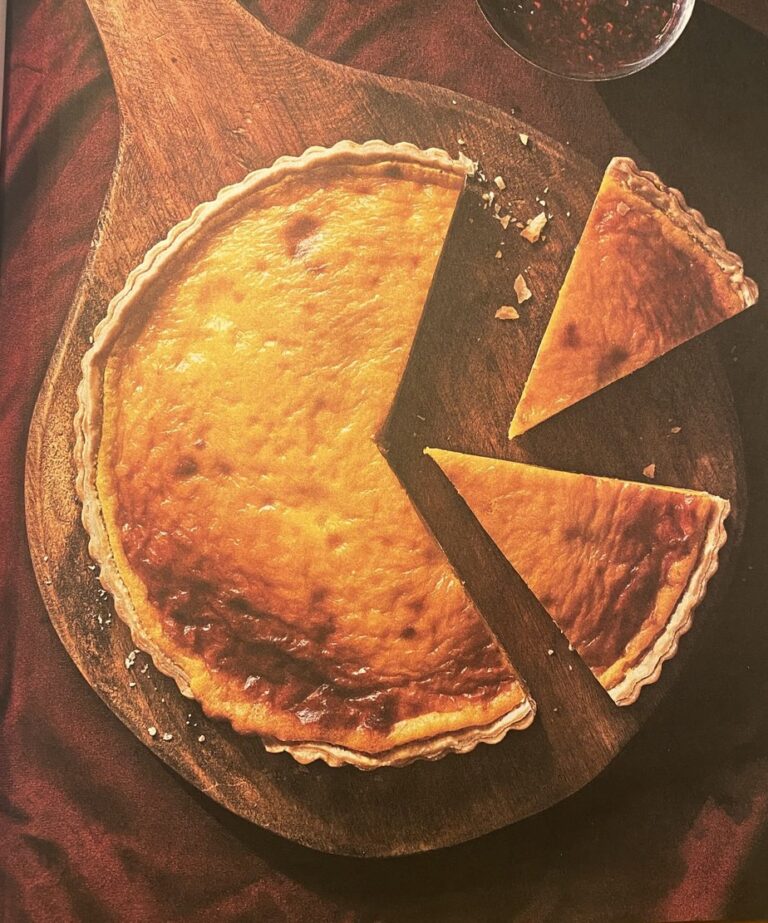
    According to legend, in 774 Charles 1, the future Emperor Charlemagne, stopped in at the Priory of Reuil-en-Brie on his way home from defeating the Lombards. The abbot gave the king a bit of their cheese. He was so impressed that he decided to have two cartloads delivered to his palace in Aachen every year…

  • The Role Of Nuts And Seeds In Prehistoric Diets

    Nuts and seeds constituted two of the most important sources of nutrition for Paleolithic man. Scientists, such as archaeologists, paleobotanists, and palynologists, excavate ancient ruins and examine plant fragments and fecal remains called coprolites. They are looking for clues as to what people ate long ago. Their discoveries at several important archaeological sites show that…

  • A Written History Of The Good Housekeeping Institute

    The Good Housekeeping Institute (GHI) has a rich history that dates back to the late 19th century. It is closely associated with the Good Housekeeping magazine, first published in 1885 by Clark W. Bryan. The magazine aimed to provide practical advice and information to American women on various topics. The topics would include housekeeping, homemaking,…

  • History Of The American Blueberry Farming industry

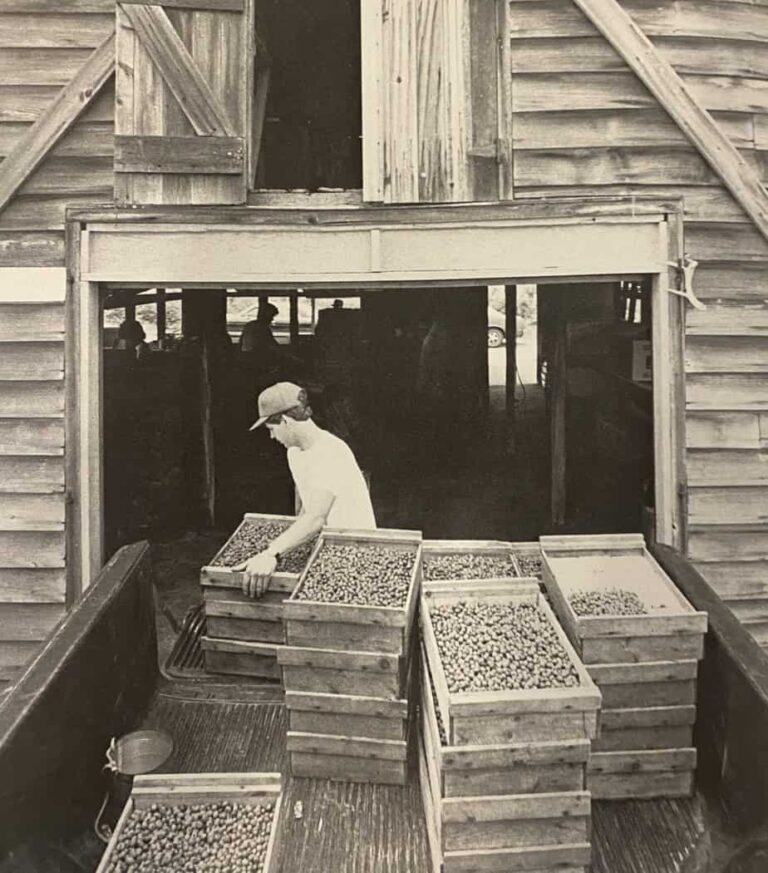
    Many of the cranberry growers also raise blueberries. “Blueberries was a way of supplementing your income as it first came on,” grower Brad Thompson of Vincentown told ethnobotanist, Eugene Hunn, “so people would get enough money together to put in three rows of blueberries, and then they would get three more, and then they would…

  • The History Of The American Cranberry Farming industry

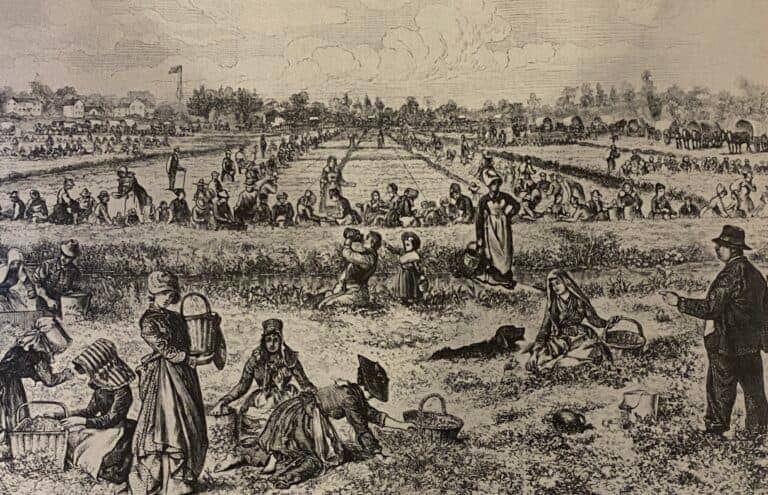
    Out of acidic streams and sandy soils, cranberry farmers have built intricate waterways and fertile bogs. Cranberry agriculture is perhaps the best example of the resourcefulness and judicious adaptation that characterize Pineland’s folklife. The history of the development of the industry is a story of environmental recycling. The American cranberry (Oxycoccus macrocarpus) is a vining…

  • Medical Uses Of Peanuts

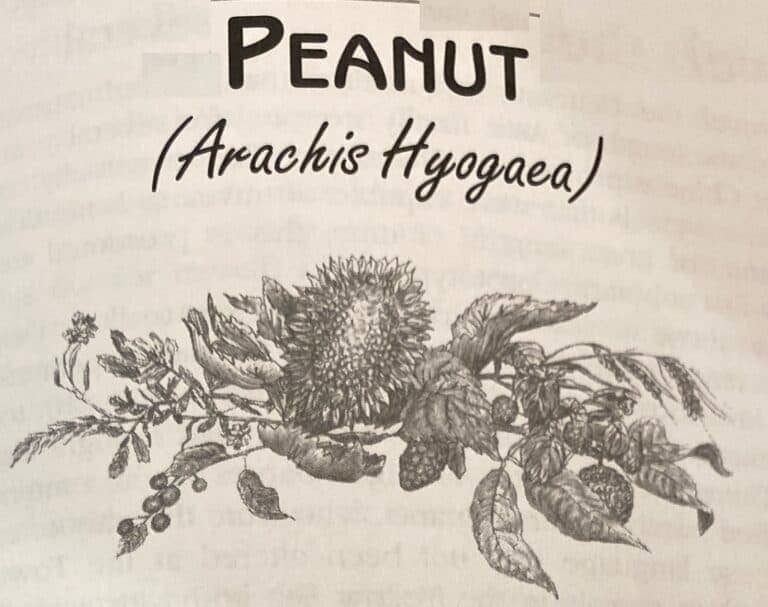
    The medical uses of peanuts are extensive throughout history. The cultivated peanut is the hard, ripe, nutlike seed or bean of an annual herbaceous vine of the pea family. It is indigenous to South America, having originated in Bolivia at the base of the eastern slopes of the Andes. Some scientists, however, have noted strong…