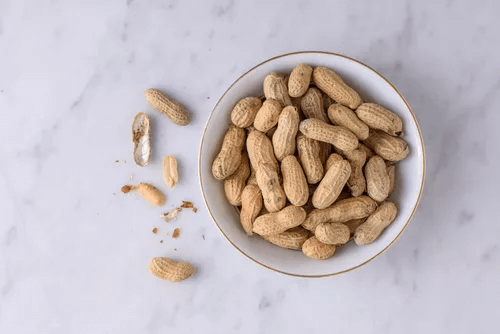
Peanut Nutrition: Benefits, Origins & Health Facts
Peanuts, also known as groundnuts, are one of the most nutritious and affordable legumes consumed worldwide. Rich in protein, healthy fats, and essential vitamins, peanuts are a staple in global diets. This guide covers peanut nutrition, health benefits, allergy concerns, and their fascinating origin story.
What Are Peanuts? A Botanical Overview
Though commonly called nuts, peanuts are actually legumes. They grow underground and belong to the Arachis genus. Native to South America, peanuts (Arachis hypogaea) were first cultivated by ancient civilizations in Peru and Bolivia.
Common Varieties of Peanuts
Runner: Ideal for peanut butter
Virginia: Large size, perfect for snacking
Spanish: Smaller, used in candies and oil
Valencia: Sweetest, sold in-shell
Nutritional Composition of Peanuts
Macronutrients: Protein, Fat & Carbs
Peanuts offer:
25% protein – a strong plant-based source
44–56% fat – mostly healthy unsaturated fats
20% carbohydrates – includes fiber and natural sugars
Great for sustained energy and vegetarian diets.
Vitamins and Minerals
Packed with:
- Niacin, Thiamin, Riboflavin
- Vitamin E & Magnesium
- Potassium, Phosphorus, Copper
Just 1 ounce provides over 20% of daily niacin needs.
Calories & Cholesterol
One ounce (~28g) of raw peanuts contains:
160–170 calories
- 0 mg cholesterol
Very low sodium (if unsalted)
Health Benefits of Eating Peanuts
Heart Health
Over 50% of peanut fat is monounsaturated. They help lower bad cholesterol (LDL) and supports heart health.
Complete Protein Profile
Peanuts contain all essential amino acids. When combined with grains, they improve overall protein quality in the diet.
Fighting Malnutrition
Due to their nutrient density, peanuts are used in therapeutic foods and feeding programs in developing countries.
Peanuts and Food Allergies
What Makes Peanuts Allergenic?
Allergens are found in both the seed and skin. Roasting doesn’t always remove them, making peanuts risky for people with allergies.
Symptoms of Allergy
Reactions include:
Hives
Breathing issues
Anaphylaxis
Most allergies begin in childhood and may persist for life.
Peanut Oil: Safe or Not?
Refined peanut oil: Usually safe (no proteins)
Unrefined/cold-pressed: May still trigger allergies
Aflatoxin in Peanuts: What You Should Know
What Is Aflatoxin?
A toxic compound produced by molds like Aspergillus flavus. High levels may increase liver cancer risk.
Testing & Safety
Standards limit aflatoxins to 20 ppb. The US, EU, and WHO regularly test imported and domestic peanuts.
Proper Storage
Humidity increases risk. At Wholesale Nuts and Dried Fruit, we ensure peanuts are certified aflatoxin-free and mold-free.
Pests, Diseases & Climate Challenges
Common Threats
Root-knot nematodes (Meloidogyne arenaria)
Tomato spotted wilt virus
Fungal infections and crop-eating insects
Drought Resistance
Peanuts thrive in dry areas. New breeding efforts aim to increase yield and resistance to extreme weather.
Peanuts: A Global Superfood
From South America to the World
Peanuts were first cultivated in Peru and Bolivia, then spread globally via explorers. Now they’re a food staple in Africa, Asia, and North America.
Everyday Use
In the U.S., peanuts are used for:
Snacks and candy
Peanut butter
Cooking oil
Animal feed
Conclusion: Why Peanuts Should Be in Your Diet
Whether roasted, boiled, or made into peanut butter, peanuts are rich in protein, vitamins, and heart-healthy fats. At Wholesale Nuts and Dried Fruit, we provide high-quality peanuts. They are free from toxins, additives, and allergens. Affordable, nutritious, and versatile — peanuts truly are a global superfood.