The Golden Trade Of The Ancient World | The Economy Of Figs And Dates In Roman Palestine
In the ancient Mediterranean, your social standing and survival often came down to what was in your fruit basket. Grains were the backbone of the daily diet. Fruits like figs and dates were the economic heavyweights that powered local markets and international trade. These crops were recorded for their financial impact in a world of high-value exports, intensive labor requirements, and a complex fruit hierarchy. All of the complexity in this economy is revealed in ancient texts.
The Fig Processed Into The People’s Sugar
Figs were likely the most popular fruit eaten regularly in Roman Palestine. Beyond serving as a snack, they were a vital source of sugar for the general population.
To make them last, figs were typically preserved in two ways:
- Dried figs are often measured in kabs for diet schedules.
- Pressed figs are known more commonly as fig cakes. Picture a Fig Newton. These were highly concentrated and efficient for storage.
While figs were considered a very profitable crop, they were not for the lazy farmer. Unlike other fruits, figs on the same tree do not ripen all at once. The ripening process could take up to two months. Requiring a farmer to check and harvest the tree every single day. Because of this “sporadic” nature. These figs were rarely grown in massive groves. Instead, most farmers kept just a few trees scattered among their other crops. Covered in ancient economic texts, figs were a common and abundant fruit to purchase in ancient Palestinian markets like the Carmel Shuk in Tel Aviv.

The Date Fruit Remains A Luxury Export
If the fig was the staple, the date was the “luxury” export. Dates in Roman Palestine were significantly more expensive than figs. Estimated from ancient texts to be six times the price.
The most famous date groves were located in the Jordan Valley and the Jericho region. These groves had such a high reputation that foreign visitors were often awestruck by them. In fact:
- Dates were exported by boat from Palestine to Rome, Italy.
- Specific varieties, such as the Nicolaus date (which no longer exists), were famous throughout the Roman Empire.
- Dates were so valuable that the palm tree itself was considered a high-value economic asset. Laws were in place forbidding the selling of palm trees to non-locals.

Economic Self-Sufficiency and Trade
Was Palestine self-sufficient? Generally, yes. Some luxury dates were imported from places like Alexandria and Tehran. In rare instances, items such as dried figs were recorded as imports from Bostra or Syria. In most Middle Eastern markets, they were primarily filled with local produce. The people of the Middle East have a fanatical devotion to certain fig and date varieties.
The movement of these fruits wasn’t just about hunger; it was about status. Stories include the monk in the Judaean desert who ate dates instead of bread as a sign of privation. Opposingly, there are stories of the Roman elite enjoying imported Palestinian dates. These fruits were the true currency of the era.
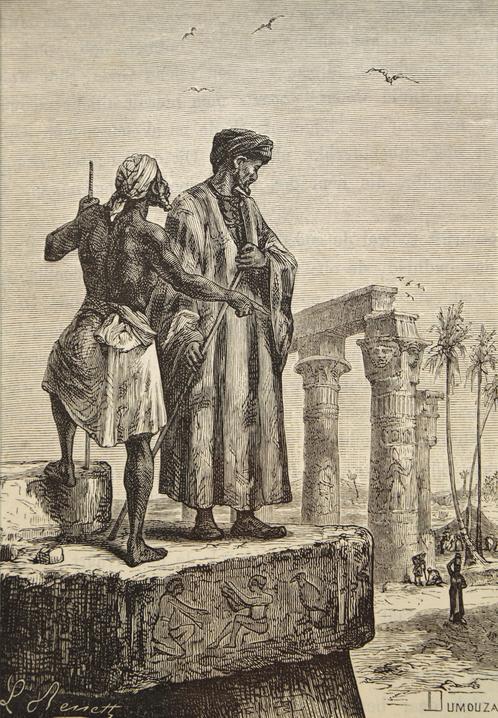
Some of the earliest writings on exporting Moroccan fruit were by Ibn Battuta in about 1384. He is known for taking fruit across the Mediterranean, then taking fruit from the Middle East, South into Africa. His written journals take you on a journey with dried dates to the ends of the known world.