

Your Farmers Market Questions Answered
“What country of origin do your products come from?”
Where ever that product is grown naturally is usually where it comes from. We tell our customers that the apricots come from Turkey. We let them know the Almonds come from California. This is because they are well known as the single suppliers of this ingredient. Some products have a variety of origins all over the world.
Macadamia nuts used to be a product of Hawaii, but now Kenya and Mexico supply much more than the Hawaiian Islands ever could. Many of our items are imported from different countries, but most dried fruits and many nuts are grown right here in the U.S.A.
“Do you carry all-natural products with no additives or the least amount of additives?”
We carry many natural items with a healthier way to preserve a product or no preservatives. Some are completely organic, and you can tell those by their price. Organic farming is always expensive. We always have both options for the health fanatics, including us here at Wholesale Nuts And Dried Fruit.
“Do outdoor farmer markets really have better products than grocery stores?”
This one of the farmers market questions is one that you should answer for yourself. We have many customers that come to our outdoor farmers market. They believe that they are getting a fresher quality of products. They certainly are. A lot of the time it is a healthier option. A number of the customers make their foods fresh each day. Customers appreciate that we seal our containers to keep them fresh. During the summer, we run through so many thousands of pounds of dried fruit and nuts. We have to get fresh product in each day. So, we order fresh for each week. We sustain the freshness and quality for a long time by properly storing some in a refrigerated unit. All the products are locked in air-tight sealed plastic bags or glass containers.
“How often do customers bring their own packaging?”
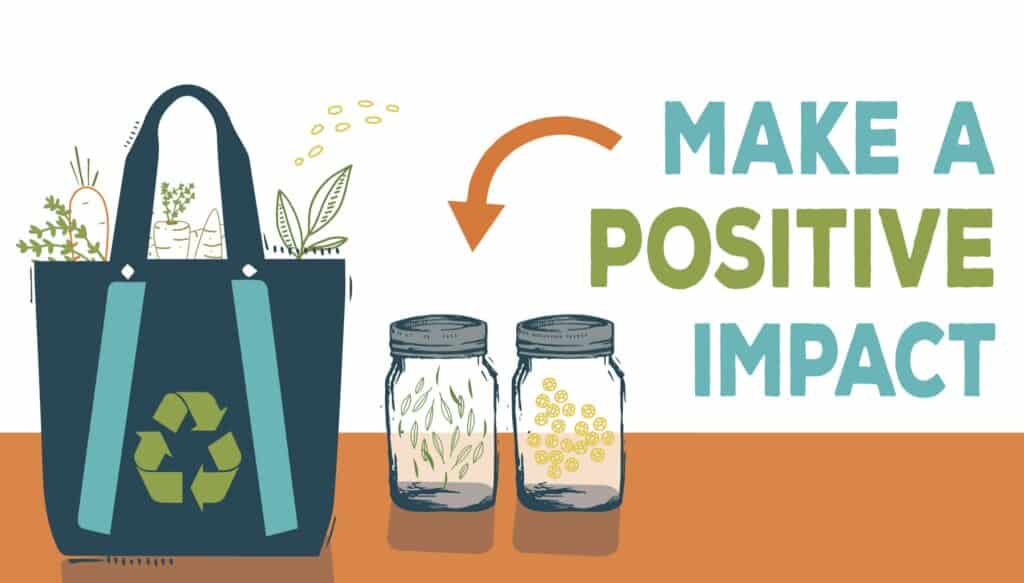
To answer your farmers market questions directly, we have a few customers who come by the stand with their own gloves and packaging. We welcome them more than most. If it can save a tree, a bag, or a few cents then I am there to support them. It would be nice to see more of these customers. Moving toward the future together with climate change the way it is.


