The Complete History Of Pesto
Pesto, pastes, and purées are ancient recipes made around the world from greens and herbs, garlic and spices, nuts, oils, and other ingredients, depending on a country’s agriculture and cuisine. Today, chefs and cooks are creating pestos from spinach, kale, arugula, peppers, tomato, and whatever else they are growing in their kitchen gardens. In containers on decks and patios, and indoors in hydroponic gardens. Certainly, pesto has seen increased interest since the start of the 21st Century.
The History Of Pesto Starts In Italy
One of the most familiar pestos originated in Genoa, Italy, in the province of Liguria. Made from basil, pine nuts, garlic, olive oil, Parmigiano-Reggiano, and/or Pecorino Romano cheeses, Pesto Genovese is a traditional Italian sauce for dressing pasta. It is also delicious with fish, meats, vegetables, soups, and bread.
Basil was introduced to the Mediterranean region via ancient spice routes from India. It was possibly used by the Romans, who ground a mixture of herbs, cheese, and garlic into a paste called moretum. Italians in Liguria adapted the Roman cheese-and-garlic dish to include basil and pine nuts. Liguria grows these ingredients naturally on its hillsides. Using their local olive oil, they ground everything together into pesto, which comes from pestare, meaning “to pound or crush in a mortar with a pestle”. In 1863, Giovanni Battista Ratto provided what is believed to be the first modern recipe for pesto. It remains today the known origin of pesto, as recorded in his book La Cuciniera Genovese.

Pesto is very regional in Italy. In Calabria, pesto alla calabrese consists of roasted bell peppers, garlic, black pepper, basil, cheese, and olive oil. The origin of Pesto Rosso, from Sicily, lies in its red hue, achieved by adding tomatoes and using just a little basil. Gremolata, or gremolada, is a thick paste made from chopped parsley, lemon zest, and garlic, sometimes with olive oil, breadcrumbs, anchovies, and Pecorino Romano cheese. It is the traditional accompaniment to osso buco alla Milanese (braised veal shank, although lamb shanks are interchangeable).
Out Of Italy
Other countries have their own version of pesto. In nearby Provence, the French version is pistou, a combination of basil, parsley, crushed garlic, and grated cheese. Pistou is used as an accompaniment to soupe au pistou, a hearty vegetable soup not unlike Italian minestrone, which is also often adorned with pesto. This French soup has a name and spelling so similar to the sauce we all use today that it is the root of the modern history of pesto.
Spain has romesco, a red paste made from romesco chile peppers, tomatoes, sweet red peppers, pine nuts, garlic, and olive oil. The Germans make a pesto from the flat elliptical leaves of ramsons, a wild garlic that grows rampantly in moist pastures in many European countries and in southern regions of the United States.
The Origin Of Pesto In Peru
In Peru, there is a dish called tallarines verdes or “green noodles” after Italian tagliarini pasta with green pesto. The green color is enhanced by the inclusion of spinach. They may use vegetable oil instead of olive oil, and other nuts in place of expensive, imported pine nuts.
In the nineteenth century, Genovese immigrants to Argentina introduced pesto recipes to their new homeland, where chimichurri evolved from a mixture of chopped parsley, oregano, garlic, olive oil, and wine vinegar. In Brazil, the Portuguese have a paste called tempero, which they use as a basic seasoning for many cooked dishes. Tempero combines onions, leeks, garlic, basil, and parsley with a large quantity of salt but no oil. The salt allows the paste to keep under refrigeration for at least one year.
The Creation Of Singapore Laksa Pesto
In Singapore, an Italian-Peranakan version is called Laksa pesto, which includes curry. Anyone who loves Indian food and chicken has surely ordered tandoori chicken. Tandoori paste is a blend of curry spices, onion, garlic, chiles, ginger, and yogurt. Thailand is famous for its red and green curry pastes. The ingredients for both are almost identical except for the hot red chiles, while the green contains spicy green chiles. Harissa paste, a fiery Mediterranean variation on pesto, is made with mint, parsley, cilantro, garlic, olive oil, and dried cayenne peppers. In North Africa, unlike French and Italian pestos, harissa does not contain nuts or cheese.
In most Thai and Mexican restaurants, you will find a thick sauce containing peanuts or almonds, sesame or pumpkin seeds, peppers, garlic, and oil. No cheeses or basil. Mexican pipian is a ground or puréed mole sauce. Containing vegetable oil, onions, pumpkin seeds (pepitas), peanuts, sesame seeds, chile peppers, garlic, spices, and herbs. It is a traditional condiment or marinade for chicken, pork, seafood, and vegetable dishes.
Pipian verde, a green variety, contains tomatillos and green peppers. When not diluted with too much liquid, the result is a thick pesto-like sauce. Also, like any pesto or paste, pipian can be used as a rub for meats. It has been found to create a crust that helps seal in the juices. Like Italian pesto, you can find Mexican moles in some supermarkets. Both are at their best when made fresh.
Pesto Is A Paste Is A Puree
It all comes down to the country, region, and cook: pesto can be a paste or a purée. It’s just a matter of how much liquid you add to the mixture. That liquid could be oil or vinegar, fermented fish sauce or soy sauce, juice or broth, or even water. The beauty of the history of pestos, pastes, and purées is that they are easy to make by people who are not professional chefs. Throw fresh herbs with garlic. Put spices, oil, and some cheese or tofu into a food processor, and you have a quick topping for pizza, pasta, couscous, fish, chicken, or whatever you fancy. Sweet pestos are just as easy to make and make a delicious, unusual accompaniment to pancakes, tarts, pastries, waffles, and ice cream.
THE BASIC INGREDIENTS | NOT A RECIPE. JUST A SUGGESTION.
Greens and Herbs
In a traditional pesto recipe, you can substitute one, two, or even three cups of different greens and/or herbs for the same amount of sweet basil leaves. Experiment with combinations of arugula, spinach, baby kale, tender chard, mint, tarragon, bronze fennel, cilantro, lemon basil, Thai basil, thyme, scallion greens, chives, sage, oregano, or rosemary.
Cheese
You can use hard-grating cheeses, such as Asiago, Pecorino Romano, Cotija, Manchego, aged Gouda, or aged cheddar. Used in place of Parmesan (Parmigiano-Reggiano or Grana-Padano).
Oil
Olive oil is a great flavor enhancer and is considered one of the best oils on the planet. You can also find recipes using grape seed and canola oils that are pressed so as not to be extracted with chemicals or heat. The fewer oils used, the creamier the pesto will taste. You can reduce the amount of oil by substituting up to half of it with nut milk. For the most part, nut milks will not add a strong flavor.
Garlic
Besides adding a powerful burst of taste, garlic contains allicin and diallyl sulfides. Both of these elements have a medical endorsement for their effectiveness in managing blood pressure and cholesterol levels. Older bulbs lose their firmness and are not as strong or spicy. If garlic is young and beginning to sprout, you can split it in half and zip out the green germ.
Nuts
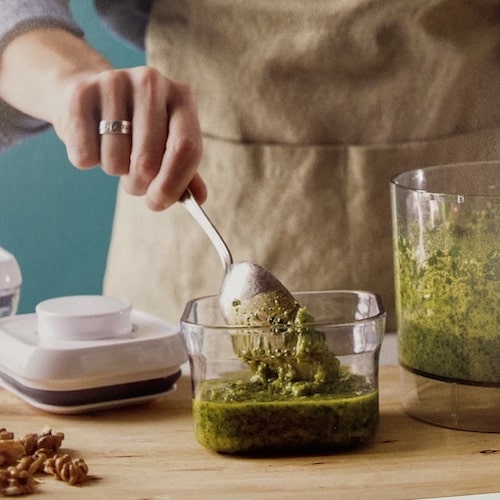
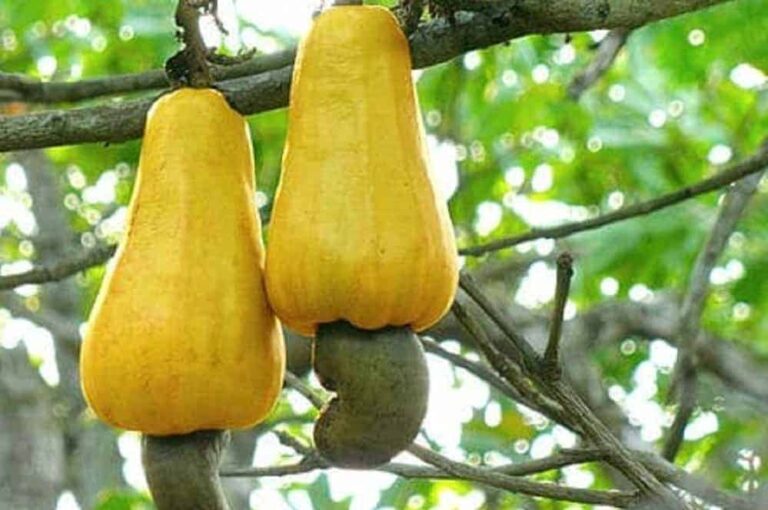
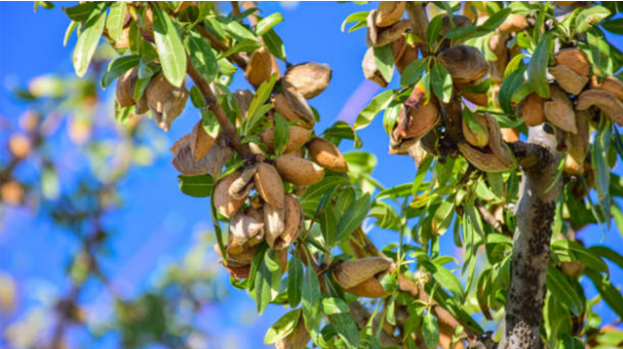
Some nuts taste good when raw. Others improve with a little toasting. like to use unroasted walnuts, almonds, pecans, pine nuts, and hazelnuts; refer to roasted sunflower seeds, pumpkin seeds, cashews, pistachios, and peanuts. They are just more delicious when roasted. Fortunately, you can buy them already roasted. If you add too much salt, then cut back on the salt added to other ingredients in your pesto recipe.
Salt And Pepper
Salt and pepper are important additions, but the amount you add is up to you. Some like to use coarse sea salt and freshly milled whole black pepper. Subsequently, it’s easy to grind the salt and pepper right inside the food processor after the other ingredients.
Enhancing And Brightening Flavors
Sometimes when you taste your finished pesto, paste, or purée, your taste buds may want a little something extra. In a taste test, find a partner to tell you if what you are making needs more salt or needs less citrus. Maybe the recipe needs a little more vinegar or a touch more sweetness. Alternatively, brighten the flavor with a little lemon or lime juice before adding more salt. Or lift the acidity with a little honey, which tempers the flavor without adding more oil. A tablespoon or two of water also lightens or thins without changing the flavor.
Storing Extra Quantities
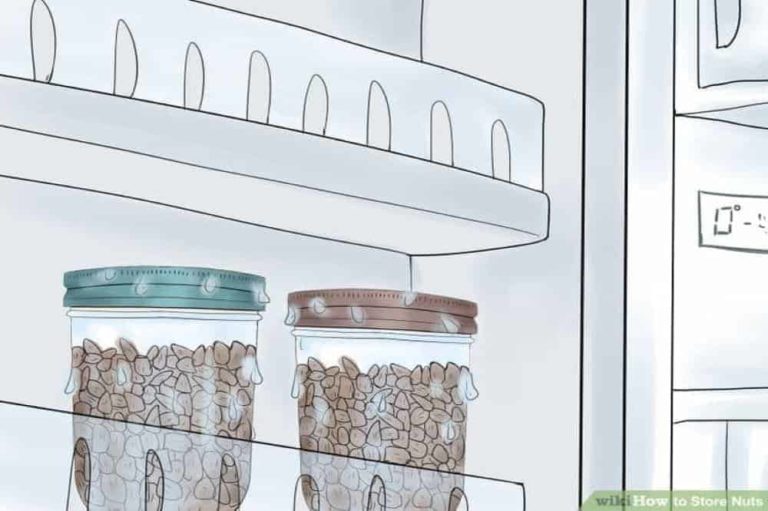
Recipes containing oils and vinegar can, as a rule, be stored in jars in the refrigerator for at least two weeks. The history of pesto includes greens, herbs, oils, garlic, nuts, and cheeses that can be frozen. Spoon two to four tablespoons into small plastic containers with tight-fitting lids. Frozen pesto will remain fresh for up to six months. You can thaw it in the refrigerator overnight or at room temperature in about two hours or less. Small quantities like this defrost quickly and are convenient to add to individual pasta servings. Or add to any recipe that would benefit from fresh herbal flavors.
A Word About Equipment
Most chefs and home cooks have embraced food processors. Really, the ease with which a chef can slice, dice, and purée any kind of food in just minutes is impressive. A food processor may lack the Zen quality of food preparation. But you can still control the resulting texture of food, ranging from chunky to smooth. However, some old-school chefs and cooks prefer to use a mortar and pestle.
The Traditional Mortar and Pestle
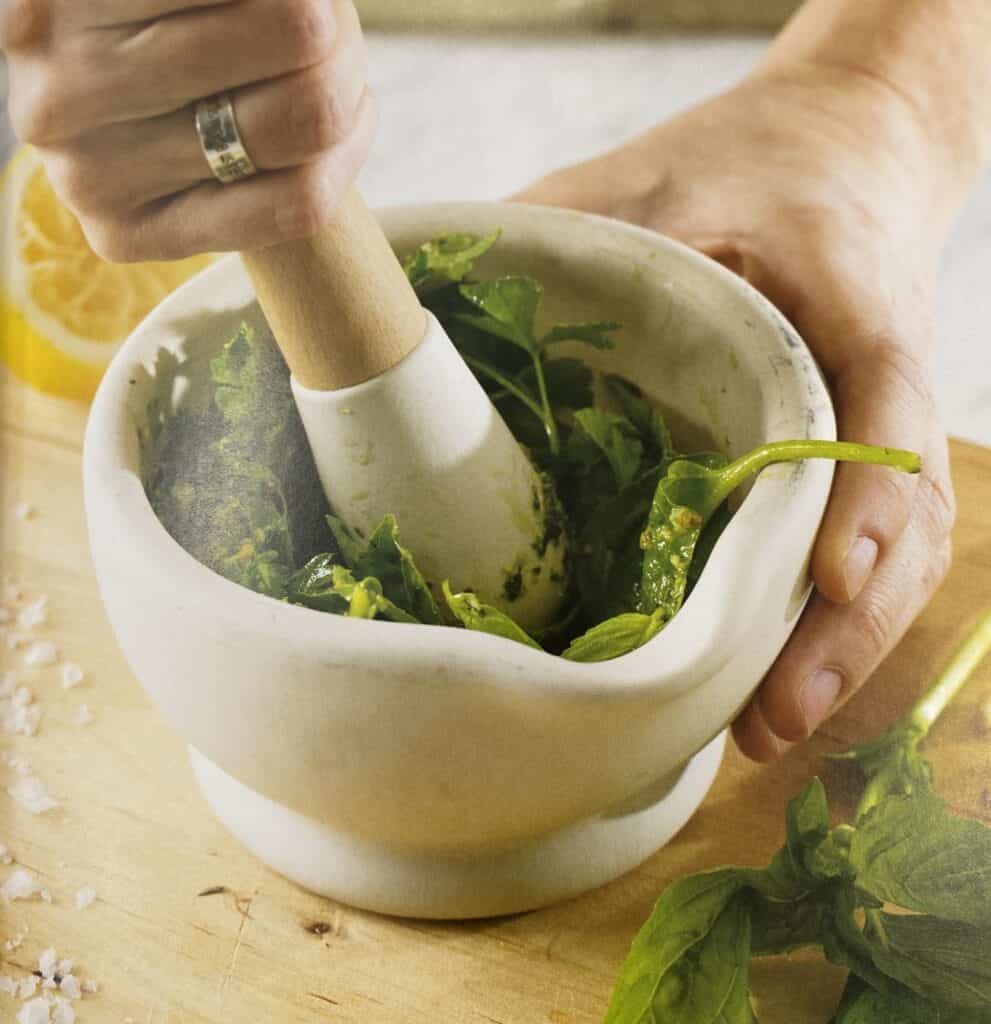
Made from granite, marble, rock, earthenware, and even wood, the mortar is one of the most primitive tools used to crush various foods and seasonings. The ingredients are placed in the mortar bowl and are ground with a small club-shaped pestle. The mortar and pestle have a wide range of use in different cultures. Starting with the rustic stone, called a Krok, used to make the dish, Thai Coconut Pancakes. The Mortar And Pestle have a specific use: pulverizing spices and fibrous ingredients. All the ingredients are common in Thai cuisine. Across the world, there is a rough Mexican version of making Pipián. Pipián, also known as a green mole, is a sauce from Mexican cuisine made with pureed greens and thickened with ground pumpkin seeds. Both pieces of the Krok are traditionally hand-carved with a hammer and chisel from a solid piece of nonporous granite.
The Use Of Mortar And Pestle In Mexico
The Mexican molcajete (mortar) and tejolote (pestle) are made from porous black volcanic rock. The process of making the Mexican molcajete and tejolote starts with soaking in water, then drying, and finally seasoning with salt and spices. Then it is ready for use. Granite and marble are particularly well-suited for grinding fibrous and strongly flavored ingredients because these hard stones don’t absorb flavors. The more irregular surface of granite is better than the smooth surface of marble. Marble is so smooth that it doesn’t grab the herbs and other ingredients, resulting in a crushing texture. In some Mediterranean countries, they use ceramic clay bowls.
However, pottery mortars are not as heavy or as resistant to pounding as marble or granite mortars. The ceramic Suribachi and wooden surikogi are used to prepare traditional Japanese food. The mortar is made from fired earthenware, which is glazed on the outside and ridged on the inside. Therefore, the ridges make it much easier to grind sesame seeds and other ingredients. Using a wooden pestle doesn’t wear down the ridges or crack the bowl.
Food Processors
Any recipe can be made using the traditional mortar-and-pestle method. However, in the modern era, using a food processor for basil and other greens is the easiest option. Some food processors will do a better job of chopping the garlic with salt before adding the rest of the ingredients. Once you understand the vagaries of your food processor, you can adjust your mixing methods.