
The Role Of Nuts And Seeds In Prehistoric Diets
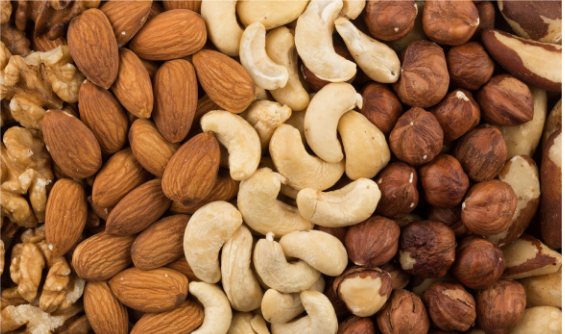
Nuts and seeds constituted two of the most important sources of nutrition for Paleolithic man. Scientists, such as archaeologists, paleobotanists, and palynologists, excavate ancient ruins and examine plant fragments and fecal remains called coprolites. They are looking for clues as to what people ate long ago. Their discoveries at several important archaeological sites show that nuts and seeds dominated the diets of prehistoric societies.

Janet Ann Stock, a graduate of anthropology from Texas A&M University in College Station, Texas, participated in several explorations. The most notable was the Hinds Cave in Val Verde County, in the southwest part of Texas, back in the late 1970s and early 80s. She compiled her fieldwork into a published report entitled The Prehistoric Diet of Hinds Cave, Val Verde, Co., Texas (College Station: Dept. of Anthropology, Texas A & M University, August 1983).
The Diet Of Prehistoric People Living In The Hinds Cave
Tens of thousands of years ago, people inhabiting the Hinds Cave subsisted on high-protein, vegetative foods. These included sunflower seeds and walnuts, rich in amino acids that provide humans with strength once absorbed into the body. The seeds in many wild fruits, such as Texas persimmons, fox grapes, currants, hackberries, and crab apples, were also eaten along with their fruits. Today, we spit out the fruit seeds as we’re in the habit of it.
In her book, The Prehistoric Diet of Hinds Cave, Janet Van Stock thought that men and women in those times were in much better health than many of us are at present, even if the lifespans then were considerably shorter than they are now. In speaking about our ancient ancestors, who lived millions of years ago, “Today our lifestyle dictates that we eat most of our food at three specific times of the day, yet this is contrary to the true needs of our bodies. We are designed to be snackers who never eat much at any one time but instead nibble on food throughout the day.”
Two Of The Central Ingredients In Prehistoric Snacking Were Nuts And Seeds
In the dimming light of early evening, they huddled together…and munched on whatever leftover seeds, nuts, and dried pieces of meat they had carried back to camp at the end of each day.” “But this was nothing like our modern concept of an evening meal,” he continued, “with its variety of main courses and desserts. Food was the main focal point of their lives….” They cared very much about what they ate and, through “a system of trial and error…learned which plant foods were good to eat and which were poisonous.” In other words, they were more careful in choosing good foods than we are in our time.
Most of their food came from plants. Meat was a luxury since most came from small animals they could easily catch or carrion left behind by large carnivores. Their food was small, highly nutritious, high in tough fiber, and provided all of their dietary needs. Since they did not know how to cook over fire, their food was eaten raw and thus retained all its vitamins. Their diet was wholesome: nuts, seeds, berries, tubers, leaves, and small game. Accompanied by lots of daily walking, these people were lean and fit. Certainly, obesity was never seen in humans, and the remains of their skeletons suggest malnutrition was not a problem.
Vaughn observed that as long as our early ancestors clung to this simplified eating program, they enjoyed remarkably good health. But once they added more meat and fats to their diet, in the forms of milk, pork, cheese, and eggs, and began domesticating crops and refining and cooking foods, they soon became subject to obesity and other diseases.
Energy Utilization From Nuts and Seeds
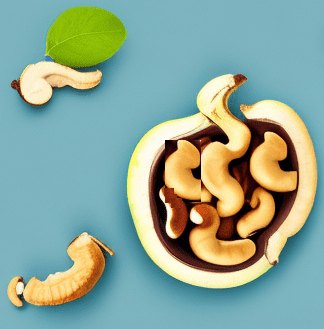
Every food contains amounts of carbohydrates, fat, and protein. This determines its energy value. Man and beast depend on food as an energy source to perform bodily work and maintain body temperature. After a particular food is ingested, digested, absorbed, and metabolized, its food energy is transferred to form the important compound adenosine triphosphate. Adenosine triphosphate has been called an “energy currency” because it can be created and expended by the cells themselves. The energy from adenosine triphosphate is used by the cells for the synthesis of body nutrients, proteins, nucleic acid, and other materials. Used in the contraction of muscles. For the conduction of nerve impulses. It is used for glandular secretion, which lets us grow. Also, for the transport of substances through the cell membranes.
Calories, Protein, And Fat
The protein and fat contained in many nuts and a few seeds provide some of the greatest physiological fuel value to the body. When many foods are consumed and go through the usual assimilation process, there are generally varying energy losses due to the waste production of feces and urine, and further losses due to defects inherent in the digestive system. But the energy lost from consuming nuts and seeds through these various factors is considerably less than that of most other foods eaten.
The following table shows the caloric, protein, and fat contents of 11 nuts and seeds. Although high in fat and calories, most have over 160 calories per ounce, they do not necessarily contribute to obesity.
Nutrition Comparison Of Some Nuts And Seeds:
- Almonds, Calories: 167, Protein (grams): 5, Fat (grams): 15
- Brazil Nuts, Calories: 186, Protein (grams): 4, Fat (grams): 19
- Cashews, Calories: 163, Protein (grams): 4, Fat (grams): 13
- Chestnuts, Calories: 70, Protein (grams): 1, Fat (grams): 1
- Hazelnuts, Calories: 188, Protein (grams): 3, Fat (grams): 19
- Macadamia, Calories: 199, Protein (grams): 2, Fat (grams): 21
- Peanuts, Calories: 164, Protein (grams): 7, Fat (grams): 14
- Pecans, Calories: 187, Protein (grams): 2, Fat (grams): 18
- Pine Nuts, Calories: 146, Protein (grams): 7, Fat (grams): 14
- Pistachios, Calories: 162, Protein (grams): 6, Fat (grams): 14
- Walnuts, Calories: 182, Protein (grams): 4, Fat (grams): 18
Medicinal Benefits Of Ingesting Amino Acids
In 1958, scientists in the former Soviet Union discovered that walnuts, pine nuts, pistachios, almonds, and peanuts were extremely rich in arginine, according to Chemical Abstracts of the time. Experiments conducted in animals have shown that diets enriched with just 18 percent arginine produced significant reductions in serum cholesterol. Arginine inhibits fat absorption; hence, the higher the arginine in the diet, the lower the cholesterol level. Now, meats contain more of another amino acid, lysine, which can harm the heart by promoting atherosclerosis. However, including arginine-rich nuts and seeds in the diet frequently helps prevent coronary heart disease.
Tryptophan And Tyrosine
Two other amino acids are especially useful to the brain. These are tryptophan and tyrosine. They affect neurotransmitters or chemicals within the brain, which, in turn, produce mood changes. Tryptophan stimulates the production of serotonin, the neurotransmitter that induces a sense of relaxation. Conversely, for sharpening brain concentration, tyrosine is needed. It triggers the neurotransmitters norepinephrine and dopamine. They are considered “alertness chemicals” because they help the brain think and react more quickly.
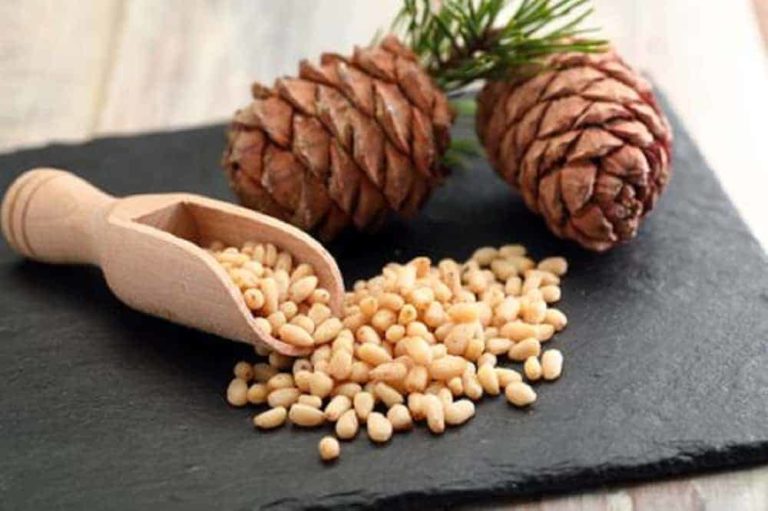
Almonds, chestnuts, peanuts, pecans, and walnuts are rich in tryptophan, which helps relax the body. So, if you want to unwind after a hard day at work or play, snack on any of these. On the other hand, if you’re driving long distances at night or taking a test, both require enhanced mental alertness. You’ll want to munch on Brazil nuts, cashews, hazelnuts, macadamias, pine nuts, and pistachios.
Trace Elements for the Body
It is known that the human body currently requires 18 different minerals for good health and growth. Calcium, phosphorus, sodium, chlorine, potassium, magnesium, and sulfur are found in the system in appreciable amounts (0.05 percent or more) and are called macrominerals. Iron, iodine, manganese, copper, zinc, cobalt, and fluorine appear in very small amounts or traces, thus called trace elements or microminerals.
There are indications that several other trace elements, particularly selenium, strontium, boron, molybdenum, and chromium, may also be vital in the nutrition of the average human being. Nuts contain appreciable or even significant amounts of the first four; only in chromium do they seem rather deficient.
Selenium
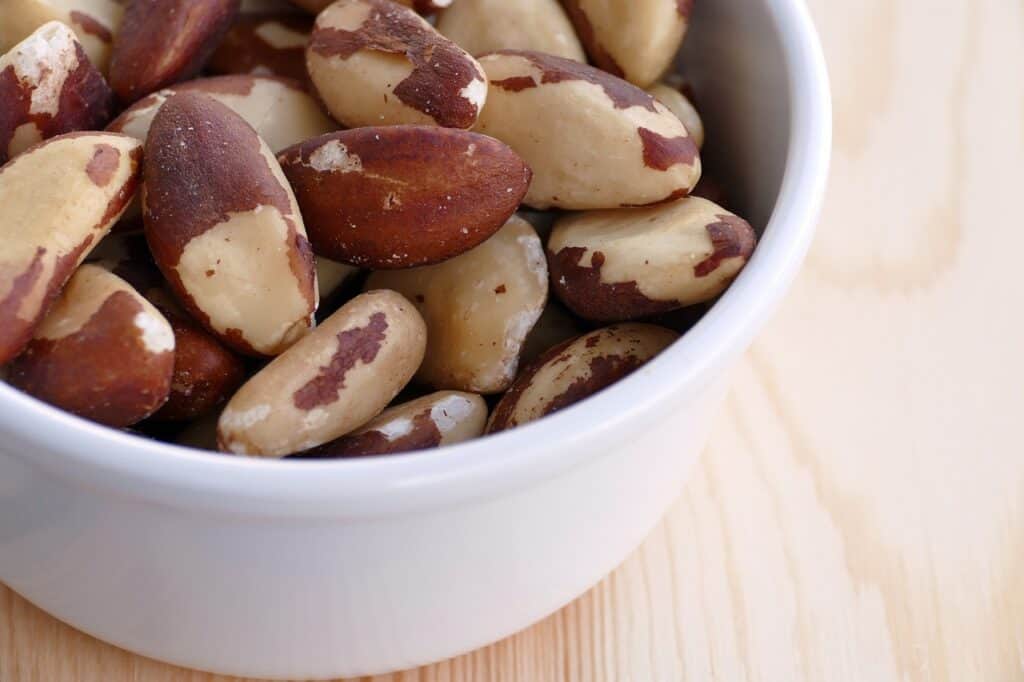
Selenium is a potent antioxidant. It helps protect the immune system from damage caused by scavenger molecules called free radicals. Selenium is also vital for proper pancreatic function and keeping muscle tissue elastic. Where selenium reserves are low, you will find cancer and heart disease. According to the British Journal of Nutrition, seven types of nuts contain varying amounts of selenium. Brazil nuts lead the pack. They are far higher in selenium content than previously thought, averaging 22 micrograms per kilogram of the edible part of the nut. Peanuts, cashews, and walnuts were next in line for fairly high amounts. Those nuts with minimal amounts included hazelnuts, sweet chestnuts, and almonds.
Strontium
Strontium is the next trace element in nuts that is only now beginning to be seriously studied by scientists for its role in human health. To compare, Strontium in nuts is 20 times more than in grains and cereals. Strontium in nuts is 30 times more than in vegetables and meats.
It is too soon to tell how strontium might be potentially useful in the body; we can only confirm a few functions. Based on the current scientific evidence. Strontium is vital to producing immune system macrophages. In simple terms, this element moves through the body like a garbage collector, consuming foreign debris and harmful bacteria that could injure the system in various ways. This trace element is also closely associated with certain brain functions. More investigation is happening to determine specifically what role it plays there. Strontium is also a key component in intracellular functions. Its presence in the body helps keep cells from mutating due to environmental factors. Strontium also bonds with calcium, magnesium, phosphorus, potassium, and sodium to form strong bones. Without adequate amounts of it, bones become weaker over the course of time. The same thing applies to tooth formation as well.
Boron
Boron is essential for calcium uptake and healthy bones and teeth, just as strontium is. A recent study conducted by the U.S. Department of Agriculture showed that within a week’s time of boron supplementation (3 milligrams daily), a test group of post-menopausal women lost 40 percent less calcium, 331 percent less magnesium, and about 29 percent less phosphorus through their urine.
Molybdenum
Molybdenum is needed in extremely small amounts for nitrogen metabolism. This assists the body in better-utilizing nitrogen. This trace element is involved in the final stages of purine conversion to uric acid following meat consumption. It stimulates normal cellular activity and is part of the xanthine oxidase enzyme system. Molybdenum concentrates primarily in the liver, bones, and kidneys. Low intakes have been frequently associated with male sexual impotence, higher incidents of cancer, and frequent mouth and gum diseases in both sexes.
Seeds Are Sensational For Healthy Teeth
Many things might be said in favor of seeds for snack foods. They help develop a good complexion and strong bones due to the several wonderful minerals they are rich in. They also help to prevent sagging jowls and fatty accumulation around the throat, resulting in the “double-chin” effect seen on many obese people. When the jaws are exercised by frequent seed or nut chewing, excess fat deposits in the face, neck, and throat muscle tissue gradually decrease.
But there is another benefit to seed consumption that not too many people are aware of. They help keep the teeth free of cavities and plaque, and the gums free of inflammatory infections like periodontitis and gingivitis. When sunflower seeds, for instance, are routinely chewed, they help remove other food particles that may have become stuck between the teeth from previous meals. They also reduce the acidity level of saliva in the mouth due to sugar consumption. Both measures help to prevent cavities. Gingivitis is a progressive, painful infection marked by craterlike lesions covered with slough; foul breath, increased salivation, and frequent bleeding from the gums are additional features. Chewing seeds often helps massage tender gum areas, allowing lesions to heal by removing the dirty film covering them. Believe it or not, seeds and nuts, to some extent, are nature’s forms of inexpensive and nutritious dental care.